APOGEE MU-200 Uv Radiation Meter Sensor Probe
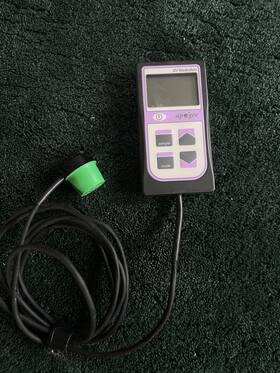
( Brand: Apogee ), ( Manufacturer Part Number: MU-200 ), ( Part Type: Uv Meter Sensor Probe )
Review APOGEE Uv Radiation Meter Model Sensor Probe
The **Apogee Instruments MU-200 UV Radiation Meter** is a high-precision, field-deployable sensor designed to deliver accurate and reliable measurements of ultraviolet (UV) radiation across a broad spectrum, making it an indispensable tool for researchers, meteorologists, environmental scientists, and agricultural professionals. Engineered with cutting-edge technology, this robust handheld probe features a **spectrally flat response** from **280 to 400 nanometers**, ensuring precise quantification of both biologically effective UV-B (280 315 nm) and UV-A (315 400 nm) radiation critical for studies on plant growth, human health, ozone depletion, and climate change impacts. The sensor s **cosine-corrected head** minimizes angular response errors, providing consistent readings regardless of the sun s position in the sky, whether it s directly overhead or at a low angle near sunrise or sunset. Built to withstand harsh environmental conditions, the MU-200 is constructed from durable materials and features a **waterproof design** (IP67 rating), allowing for reliable operation in outdoor, marine, or even submersed applications with proper care. Its **low-power consumption** and **long-term stability** make it ideal for extended field campaigns, while the **built-in temperature compensation** ensures measurements remain accurate across varying thermal conditions. When paired with Apogee s complementary data loggers or compatible software, the MU-200 seamlessly integrates into monitoring systems, enabling real-time data logging, trend analysis, and automated alerts for UV exposure thresholds. Whether deployed in agricultural research to assess crop stress, atmospheric studies to track ozone recovery, or public health initiatives to evaluate sun safety protocols, the MU-200 delivers unmatched precision and versatility, empowering users to make data-driven decisions with confidence.
The Apogee MU-200 UV Radiation Meter is a specialized instrument designed to measure ultraviolet (UV) radiation, primarily used in agricultural, scientific, and environmental applications. Below is a detailed breakdown of its pros and cons, followed by a conclusion and recommendation.
---
### **Pros of the Apogee MU-200 UV Radiation Meter**
1. **High Accuracy and Precision**
The MU-200 is known for its high-quality measurements of UV-B (280 315 nm) and UV-A (315 400 nm) radiation. It uses a silicon photodiode sensor with a cosine-corrected diffuser, ensuring accurate readings even at varying angles of incidence. This makes it reliable for research and fieldwork where precision matters.
2. **Wide Measurement Range**
The sensor covers a broad spectrum of UV radiation, allowing users to monitor both UV-B and UV-A levels. This versatility is useful for studies involving plant responses, ozone depletion effects, or solar UV exposure research.
3. **Durability and Weather Resistance**
The probe is designed to withstand outdoor conditions, including exposure to rain, dust, and temperature fluctuations. It is built with a rugged, waterproof casing, making it suitable for long-term field deployments without frequent maintenance.
4. **Compatibility with Data Loggers and Software**
The MU-200 is compatible with Apogee s data loggers (e.g., SDM series) and can be integrated with logging software for continuous monitoring and data analysis. This feature is particularly valuable for automated research setups.
5. **Low Maintenance Requirements**
Unlike some sensors that require frequent calibration or replacement, the MU-200 is designed for durability with minimal upkeep. Its stable performance over time reduces operational costs.
6. **Scientific Reputation**
Apogee Instruments is a well-established brand in the field of environmental and agricultural sensors, known for producing high-quality, field-tested equipment. The MU-200 benefits from this reputation, ensuring reliability in research applications.
7. **Useful for Specific Applications**
The sensor is ideal for applications such as:- Studying plant growth under UV stress.
- Monitoring UV exposure in ecological research.
- Assessing the impact of UV radiation on materials or surfaces.
- Supporting agricultural practices that require UV data (e.g., crop protection or horticulture).
---
### **Cons of the Apogee MU-200 UV Radiation Meter**
1. **High Initial Cost**
The MU-200 is a premium product, and its price point may be prohibitive for individuals or small organizations with limited budgets. The cost includes not only the sensor but also the necessary data logging equipment if not already owned.
2. **Limited to UV Measurements Only**
Unlike multi-spectral sensors that measure PAR (photosynthetically active radiation), chlorophyll fluorescence, or other parameters, the MU-200 is specialized for UV radiation. If broader spectral data is needed, additional sensors would be required, increasing complexity and cost.
3. **Requires Additional Hardware for Full Functionality**
To use the MU-200 effectively, users typically need a compatible data logger or interface to record and analyze data. While Apogee offers compatible loggers, this adds to the overall investment.
4. **Calibration and Expertise Needs**
While the sensor is durable, proper installation and calibration are essential for accurate readings. Users may need training or technical support to ensure the sensor is correctly positioned (e.g., at the correct angle and height) and calibrated periodically.
5. **Not Portable for Frequent Fieldwork**
Although the probe is rugged, it is not designed for handheld or portable use like some handheld UV meters. It is better suited for fixed or semi-fixed installations, which may limit its utility for mobile research.
6. **Potential for Sensor Drift Over Time**
Like all electronic sensors, the MU-200 may experience slight drift in accuracy over extended periods. Regular calibration checks are recommended to maintain data integrity, which can be an additional logistical consideration.
7. **Limited Customization**
The sensor s functionality is fixed to UV measurements, and users cannot modify or expand its capabilities without purchasing additional equipment. This lack of flexibility may be a drawback for researchers with evolving needs.
---
### **Conclusion**
The Apogee MU-200 UV Radiation Meter is a robust, high-precision tool tailored for applications requiring accurate UV-B and UV-A measurements. Its durability, compatibility with logging systems, and scientific reliability make it a strong choice for researchers, agricultural scientists, and environmental monitoring programs where UV data is critical. However, its high cost, specialized nature, and requirement for additional hardware may not justify its purchase for casual users or those needing broader spectral data. The decision to invest in the MU-200 should be based on the specific needs of the project, budget constraints, and the availability of complementary equipment.
---
### **Recommendation**
Purchase the Apogee MU-200 UV Radiation Meter if:- You are conducting research or monitoring that specifically requires precise UV-B and UV-A measurements.
- You already own or plan to invest in Apogee s data logging systems (e.g., SDM series) to complement the sensor.
- Your budget can accommodate the higher upfront cost, and the sensor s longevity and accuracy justify the expense.
- You need a durable, weather-resistant solution for long-term field deployments.
Consider alternative options if:- Your primary need is for general UV monitoring without the requirement for high precision or research-grade data.
- You are working with a limited budget and can find a more affordable UV meter that meets your basic needs.
- You require multi-spectral data (e.g., PAR, chlorophyll fluorescence) and would benefit from a sensor that covers a broader range of wavelengths.
- You need a portable, handheld UV meter for frequent field measurements, as the MU-200 is not designed for this use case.
For users who require UV measurements but have budgetary concerns, alternatives such as handheld UV meters (e.g., from brands like Delta Ohm or TES) or lower-cost research-grade sensors may be worth exploring. However, if UV accuracy and reliability are non-negotiable, the MU-200 remains one of the best choices available.
Details:
Compatible with Apogee Connect software. Apogee MU-200 Micro Cache Bluetooth Module For Sale Par Meter: UV Radiation Sensor. Fully functional and tested. Bluetooth connectivity.
$250 OBO Up for sale is an Apogee MU-200 Micro Cache Bluetooth Module in excellent working condition.The allows compatible sensors to communicate tirelessly with the Connect mobile application data collection, monitoring, and logging. Wireless data collection and monitoring. The unit has been tested and is ready for use with supported Apogee instruments sensors. Compact and portable design.
Works with compatible Apogee sensors. Ideal for laboratory, greenhouse, and aquarium applications. Included Features: Apogee MU-200 Micro Cache Bluetooth Module.
part #: mu200 price
- $250.00
specifications tesmetequ:
- brand: Apogee
- mpn: Mu-200
- part type: Uv Meter Sensor Probe
returns tesmetequ:
- method: Money back
- paid by: Buyer
- time: 14 Days
- policy: Returns Accepted
general tesmetequ:
- condition: Used
- Test, Measurement Inspection > Test Meters Detectors > Other Test Meters Detectors
offer tesmetequ:
- best offers: True
- quantity: 1
- availability: In Stock
- started: June 3, 2026
- options: Ship-to-home
- sold: 0
shipping tesmetequ:
- transit: 5-10 Days
- service: UPS Ground
- carrier: UPS
- cost: $12.00
- class: Standard
- type: Fixed
payments tesmetequ:
- other
- credit card: Mastercard
- wallet: Paypal
seller tesmetequ:
- city: Allentown, Pennsylvania
- rating: 0.0%
- # reviews: 0
Apogee MU-200 Is Similar To:
- Apogee Ccm-200 The Plus Chlorophyll Content Meter (40% similar) Used, excellent working condition. The CCM-200 plus chlorophyll content meter es with case, USB cable, flash drive...(February 11th, 2024)
